Pros
Pleasant warmth from the ground
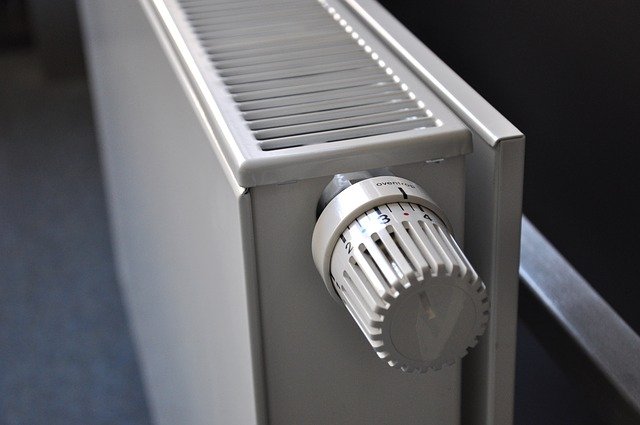
– the human body is designed so that blood circulation is primarily distributed to the internal organs and the head, and only then to the peripheries of the body – the hands, feet, skin, and hair. We notice this most in winter, when our ears and nose freeze and our hands and feet get cold. Radiator heating warms the upper part of the room in an undesirable way, keeping the head, hands, and torso warm, but leaving the feet cold. As a result, we either dress warmly from the waist down or increase the heating temperature for our feet, but at the expense of discomfort for our torso and head.
Feet
– cold feet are very unpleasant, especially after waking up. Walking barefoot in your home is completely natural, and you will soon notice the difference between walking on a pleasantly warm floor and walking on cold tiles. The comfortable feeling of warm feet, whose energy points activate the internal organs in the body, is the reason why people install underfloor heating.

Cons
Pipe quality
– you should remember that this is a system of plastic pipes encased in concrete. Their quality is therefore much more important than the entire support system of fittings and heating elements. If water leaks somewhere, you have a problem, and not just any problem! In the worst case, you could flood your downstairs neighbors; in the “better” case, you\’ll just have to move all your furniture out, tear up the floor, and face a decidedly unenviable job.
Higher dust levels
– when heating with conventional radiators or wood-burning stoves, the air mass is heated, which mixes together and the warm air rises. The air remains cooler near the ground, so there is less dust swirling around, which also settles on the ground and remains on the floor. Small bits of dirt on the floor are easy to overlook during the week, we don\’t pay much attention to them, and eventually they are removed about once a week during cleaning. But this is not the case with heated floors. Warm air rises from the floor, and with it, swirling dust. If you have allergies, this means almost daily cleaning and sweeping of carpets, tiles, laminate flooring, parquet, or solid wood.
